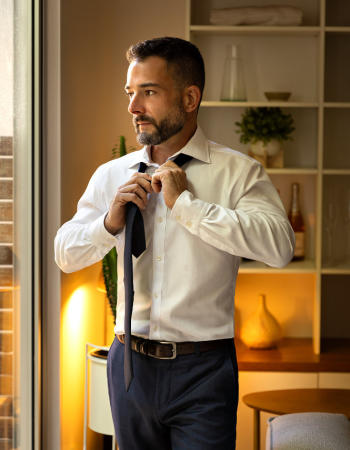
diary of male escort Elliott Quinn: The Way Stories Shape Us



I didn’t learn to read in any meaningful sense until my mid-thirties. Until then, books felt like distant worlds, full of power and beauty, but always just out of reach. When I finally crossed that threshold, words transformed into voices, and I felt as if I were stepping into a secret world that had been waiting for me all along.
At first, I immersed myself in knowledge — history, science, philosophy — but the most profound discoveries came from literature. A novel, a poem, even a single line could reach deeper than a whole shelf of facts. Characters became real; their joys, sorrows, and subtle struggles resonated with my own.
Paradise Lost by Milton was one of those transformative reads. Milton’s depiction of Satan, defiant and tormented, struck a deep chord. Even though we know Satan’s rebellion is doomed, his relentless defiance mirrored our own struggles with ambition and pride. It was a powerful exploration of human resilience and the layered complexities of defiance.
Then there was Shakespeare’s Venus and Adonis, a poem that explores the ache of unrequited love. It’s easy to lament with Venus, the goddess of love, why there was no reciprocation. That sense of longing and the frustration of unreturned affection is something many of us have felt. Shakespeare gave those emotions form and made them tangible.
On the modern side, Isaac Asimov’s The Caves of Steel also had a profound impact. In the novel, the intimacy between characters isn’t just physical; it’s healing and transformative. Those moments taught me that literature can reveal the subtle, often hidden, healing aspects of connection and understanding.
Often, we live through experiences without fully understanding them until we see them reflected outside ourselves. A writer gives us the words, and suddenly what was right in front of us but out of reach comes into focus. At the other end of the spectrum, stories invite us into experiences we’ve never lived. We can inhabit them in our minds and hearts, feel them deep in our souls, without the risk of acting them out in front of others. Both recognition and exploration are part of the gift. Literature shows us who we are, and it also shows us who we might become.
Learning to read later in life also meant that these encounters came with the full weight of lived experience. I wasn’t a child discovering fairy tales. I was an adult carrying scars, triumphs, regrets, and desires — and suddenly I could measure them against the words of Milton, Shakespeare, Asimov, and countless others. Reading didn’t just open doors in my mind; it opened doors in my heart.
Stories let us rehearse emotions in safety. They let us walk into grief before we’re ready, taste joy before it arrives, wrestle with temptation without the consequences. They let us see our lives from another angle, and sometimes they simply remind us that we’re not alone.
It’s easy to lament with Venus, the goddess of love, why there was no reciprocation, or to feel the defiance of Milton’s Satan coursing through our own ambitions. Literature lets us fully inhabit these moments, without fear or restraint, and emerge changed on the other side.
So if you’re standing on the edge of a book, wondering if it’s worth stepping in, take the leap. Let the words sweep over you, and if one sticks — a line, a stanza, or a scene — tell me about it. I’m endlessly fascinated by how stories slip under our skin and leave little traces behind, shaping both who we are and who we might become.
Find more at
elliottquinncompanion.com.au